Tips for Creating a Sustainable and Eco-Friendly Home Garden

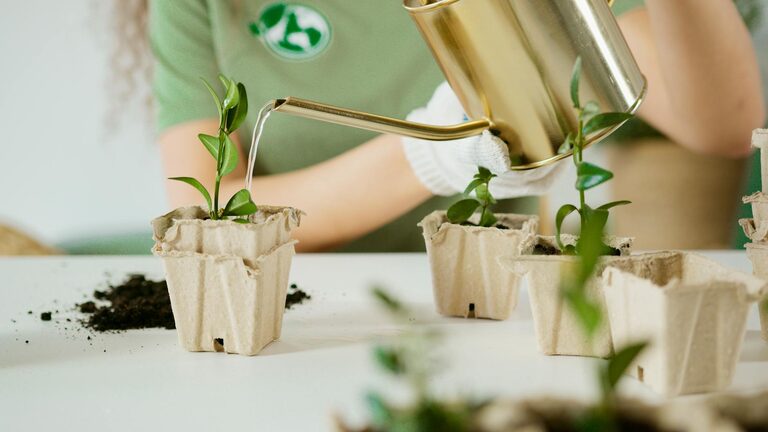
Creating a sustainable and eco-friendly home garden is a rewarding way to connect with nature while reducing your environmental impact. Whether you have a spacious backyard or a small balcony, there are many ways to cultivate a green space that supports biodiversity, conserves resources, and provides fresh produce. Here are some helpful tips to get you started on building your sustainable garden.
Plan with Sustainability in Mind
Before planting, take time to plan your garden thoughtfully. Choose native plants that are well adapted to your climate and soil as they typically require less water and care. Research plants that encourage local wildlife such as bees, butterflies, and birds.
Consider the layout carefully to maximise sunlight exposure for each plant and to make efficient use of space. Incorporating companion planting—growing plants together that benefit each other—can help reduce pests naturally. For example, planting marigolds near tomatoes helps deter insects.
Use Organic and Natural Materials
To maintain eco-friendliness, avoid synthetic chemicals like pesticides and herbicides. Instead, opt for organic gardening methods to promote soil health and prevent harm to beneficial insects.
Compost your kitchen scraps and garden waste to create nutrient-rich soil. Composting reduces landfill waste and provides natural fertiliser. You may also use mulch made from leaves, straw, or bark to retain moisture, suppress weeds, and improve soil quality over time.
Conserve Water Wisely
Water conservation is crucial for a sustainable garden. Install a rainwater collection system or use water butts to harvest rainwater for irrigation. Watering your garden during early morning or late evening reduces evaporation.
Apply soaker hoses or drip irrigation systems that target the roots directly, reducing water waste. Group plants with similar watering needs together to avoid overwatering.
Support Biodiversity
Encourage biodiversity by creating habitats for wildlife. Plant a variety of flowers, shrubs, and trees that bloom at different times to provide continual food sources. Include plants with berries, seeds, and nectar.
Avoid using chemical treatments that could harm insects and animals. Consider installing bird feeders, insect hotels, or small ponds to attract beneficial creatures that help maintain a healthy garden ecosystem.
Choose Sustainable Garden Tools and Supplies
When purchasing tools or materials, consider their environmental impact. Select durable, long-lasting garden tools made from sustainable materials. Reuse or repurpose containers, pots, and supports where possible instead of buying new plastic items.
For mulching, use locally sourced organic matter to reduce transportation emissions. If you use fertilisers, prefer organic options that release nutrients slowly without damaging the environment.
Grow Your Own Food
A sustainable garden often includes edible plants. Growing vegetables, herbs, and fruits reduces your carbon footprint by lowering the need for store-bought produce packed with plastic.
Start with easy-to-grow crops like salad greens, tomatoes, or herbs. Use seeds from open-pollinated or heirloom varieties to preserve biodiversity. Avoid genetically modified seeds and focus on organic growing methods.
Maintain Your Garden Naturally
Regular, natural care helps keep your garden healthy. Practise hand weeding instead of chemical herbicides. Encourage natural pest control by attracting predatory insects like ladybirds and lacewings.
Rotate your crops each season to prevent soil depletion. Add compost and organic matter annually to maintain soil fertility. Prune plants properly to promote strong growth and airflow.
Educate and Involve Others
Finally, share your sustainable gardening journey with friends, family, or your community. Teach children about the importance of nature and how to care for gardens. Join local gardening groups or workshops focused on eco-friendly practices.
By creating a sustainable home garden, you not only improve your living environment but also contribute positively to the planet. With thoughtful planning, natural care, and a focus on biodiversity, your garden can thrive while supporting a healthier, greener future. Happy gardening!