Simple Ways to Create a Sustainable Garden at Home

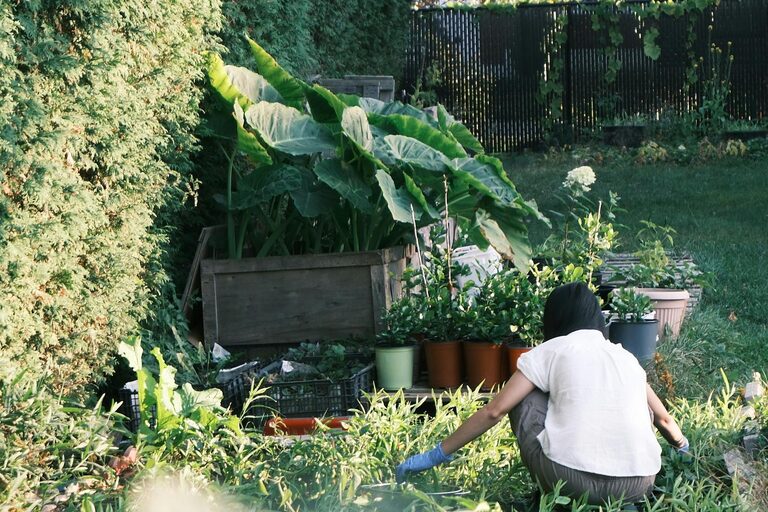
Creating a sustainable garden at home is an enjoyable and rewarding way to contribute to the environment while enhancing your living space. Whether you have a small balcony or a large backyard, sustainable gardening focuses on using resources wisely and fostering a healthy ecosystem. In this guide, we will explore simple, practical steps to help you start or improve your sustainable garden.
What Is a Sustainable Garden?
A sustainable garden is designed and maintained in a way that supports biodiversity, conserves natural resources, and reduces waste. It involves making thoughtful choices regarding plants, soil, water, and wildlife, all while minimising harm to the environment.
Benefits of Sustainable Gardening
– Reduces water consumption
– Supports local wildlife like bees and butterflies
– Promotes healthy soil and reduces chemical use
– Saves money through efficient resource use
– Increases resilience to climate change effects
Steps to Create a Sustainable Garden at Home
1. Plan According to Your Space and Climate
Understanding your local climate and the conditions of your garden space is the first step. Observe how much sun or shade your garden receives daily and note soil type and drainage patterns. Choose plants that are native or well adapted to your area, as they typically require less water and care.
2. Choose the Right Plants
– Native species: Support local wildlife and ecosystems.
– Drought-tolerant plants: Reduce water needs.
– Perennials: Save resources by returning each year without replanting.
– Edible plants: Grow your own fruit, vegetables, and herbs to reduce food miles.
Creating a diverse garden with a variety of plants can encourage beneficial insects and improve soil health.
3. Improve Soil Health Naturally
Healthy soil is vital for a sustainable garden. Avoid synthetic fertilisers and instead:
– Use compost: Recycle kitchen scraps and garden waste to enrich the soil.
– Add mulch: Helps retain moisture and suppress weeds.
– Rotate crops: Prevents nutrient depletion if growing edibles.
– Incorporate organic matter: Such as leaf mould or well-rotted manure to improve soil structure.
4. Save Water Efficiently
Water is a precious resource, so adopting water-wise strategies matters:
– Collect rainwater: Use water butts to collect rain for garden use.
– Water early or late: Watering in the cooler parts of the day reduces evaporation.
– Use drip irrigation or soaker hoses: Direct water to plant roots and reduce waste.
– Mulch your beds: Keeps soil moist for longer periods.
5. Reduce Waste and Chemical Use
Avoid chemical pesticides and herbicides, which can harm beneficial insects and pollute the environment. Instead, try:
– Companion planting: Certain plants repel pests naturally.
– Natural pest control: Introduce or encourage beneficial insects like ladybirds.
– Manual weeding: Keeping weeds under control without chemicals.
– Using recycled or natural materials: For garden beds and pathways.
6. Support Wildlife
Your garden can be a haven for birds, bees, butterflies, and other wildlife:
– Plant nectar-rich flowers.
– Provide water sources like birdbaths or shallow dishes.
– Leave patches of undisturbed ground or leaf piles for insects.
– Install bird boxes or insect hotels to encourage shelter.
7. Grow Your Own Food
Sustainable gardening often includes growing your own fruit and vegetables.
– Start small with easy crops like lettuce, herbs, or tomatoes.
– Use containers or raised beds if space is limited.
– Practice organic gardening methods for healthier produce.
– Share surplus harvest with neighbours or community.
8. Use Sustainable Materials
When building or improving your garden, choose materials that are eco-friendly and sustainable:
– Opt for recycled or reclaimed timber.
– Use natural fibres for garden fabrics.
– Select tools and furniture made to last.
– Avoid single-use plastics.
Final Tips for Sustainable Gardening Success
– Keep learning: Join local gardening groups or workshops focused on sustainability.
– Monitor your garden’s progress: Adjust practices as needed.
– Be patient: Sustainable gardens develop and improve gradually.
– Enjoy the process: Gardening connects you with nature and promotes wellbeing.
By following these simple steps, your home garden can flourish in harmony with the environment, providing beauty, food, and habitat for wildlife. Sustainable gardening is a journey that benefits both you and the planet, making your garden a green and tranquil space for years to come.